
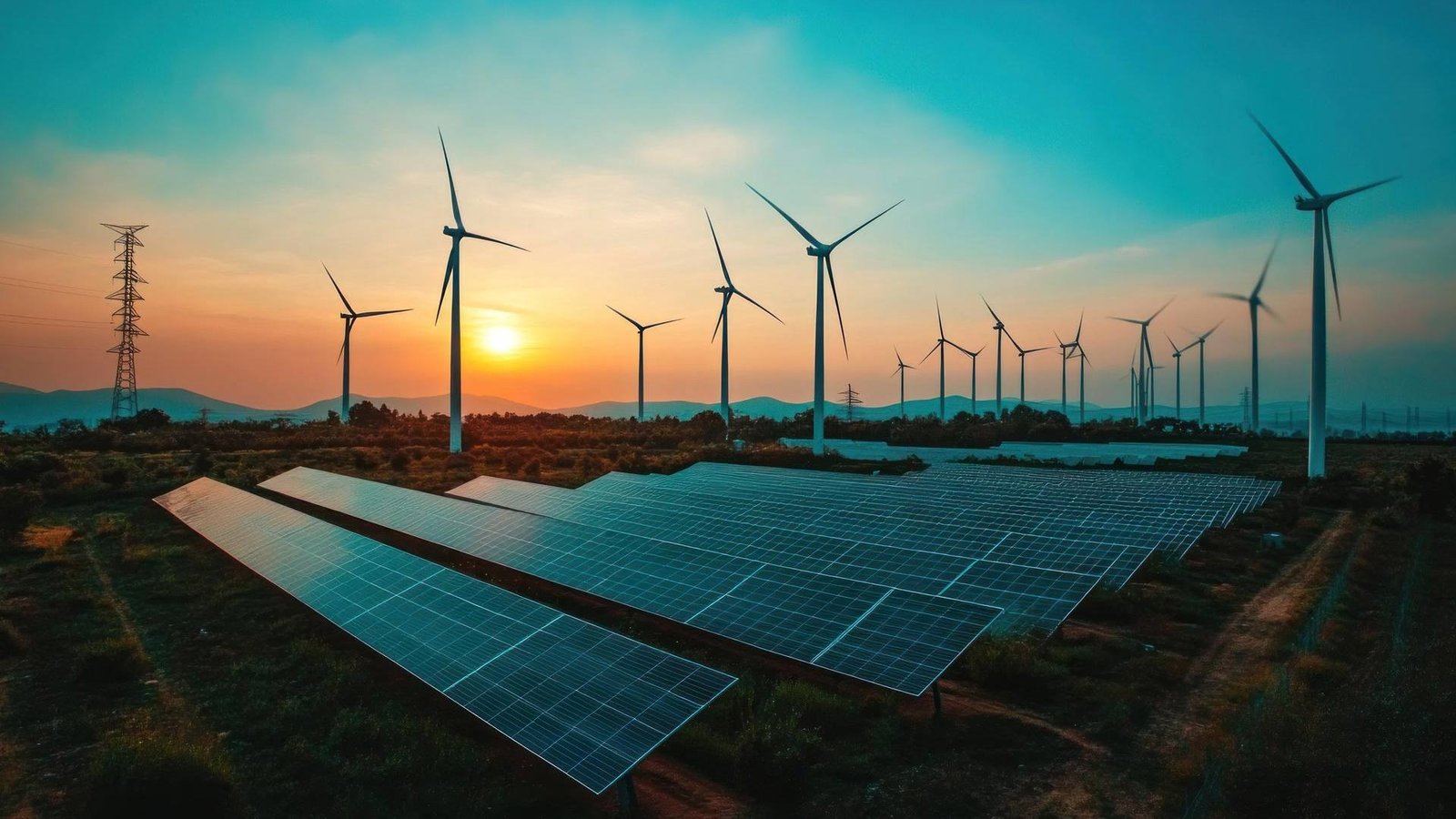
Discover how upgrading legacy power grids is key to integrating renewable energy, boosting reliability, and driving a sustainable energy transition.
The world is moving towards higher demands of renewable energy as countries strive to curb carbon emissions, enhance energy security, and achieve sustainability. Clean energy sources such as solar, wind, and so on are growing at a speedy rate, and their combination creates a special problem. The world continues to rely on legacy power grids constructed decades ago to support centralized fossil fuel generation.
These grids were not conceived to deal with variable and decentralized energy sources and this is where there is a lack of integration between the infrastructure and the future. These outdated systems are an increasing burden in the effort to achieve a resilient, efficient, and low-carbon energy future.
With the increased renewable penetration, modernizing the systems is a crucial move towards achieving a brighter future.
Table of Contents
1. Understanding Legacy Power Grids
2. Challenges in Upgrading Legacy Grids
2.1. Technical Limitations
2.2. Grid Reliability Issues
2.3. Cybersecurity Concerns
2.4. High Upgrade Costs
3. Strategies for Modernizing Legacy Grids
3.1. Smart Grid Technologies
3.2. Energy Storage Solutions
3.3. Decentralized Systems
3.4. Digital Twins and Predictive Maintenance
3.5. Policy and Regulatory Support
4. Benefits of Grid Modernization for Renewable Energy
4.1. Enhanced Reliability
4.2. Greater Efficiency
4.3. Sustainability Gains
4.4. Economic Growth
5. Case Studies of Successful Grid Upgrades
5.1. European Union Projects
5.2. United States Initiatives
5.3. Asian Microgrid Investments
The Road Ahead for Legacy Grid Transformation
1. Understanding Legacy Power Grids
The traditional infrastructure created to serve centralized energy production, mostly coal, gas, and oil-based power plants, is referred to as legacy power grids. Their design focuses on unidirectional power flow between the large plants and consumers using the transmission and distribution networks.
These grids worked well in their time, but they are ill-suited to renewables, which are both distributed and fluctuating in nature. Wind and solar change with time and weather, and need the flexibility that only legacy systems lack.
Despite this progress, most nations continue to rely on these aging networks, which are more than 50 years old. Reliance on old grids presents a structural challenge to the large-scale integration of renewable energy.
2. Challenges in Upgrading Legacy Grids
2.1. Technical Limitations
Legacy grids are dependent on fixed infrastructure, such as old-fashioned transformers and storage capacity, that is incapable of responding to the variable flows of energy provided by renewable sources.
These technical barriers lower the capacity of the system to effectively address the dynamics of supply and demand in a variety of energy inputs.
2.2. Grid Reliability Issues
Renewables such as wind and solar are intermittent, which complicates the process of matching the supply and demand on the grid.
Legacy grids are highly inflexible and unresponsive, mainly because they were developed to operate with steady fossil fuel production, resulting in frequency fluctuations, outages, or curtailment of energy during peak renewable generation.
2.3. Cybersecurity Concerns
The old systems of control and inadequate digital monitoring make old grids extremely susceptible to cyberattacks.
As renewable resources and smart devices continue to become more interconnected, critical infrastructure may fall under the threat of a devastating cybersecurity attack that could disrupt the energy supply on an unprecedented scale.
2.4. High Upgrade Costs
The aging grid infrastructure needs major capital investment in new technologies, storage, and digital infrastructure to modernize the grid.
3. Strategies for Modernizing Legacy Grids
3.1. Smart Grid Technologies
The implementation of smart grid technologies allows for monitoring and controlling energy flows in real time. IoT sensors, sophisticated metering infrastructure, and AI-assisted forecasting increase the visibility across the grid, enabling operators to optimize the supply and demand.
These devices can upgrade the unresponsive legacy infrastructure into an adaptable network that can incorporate renewed energy resources effectively.
3.2. Energy Storage Solutions
Renewable intermittency requires energy storage. Batteries, pumped hydro and thermal storage store surplus energy when there is more generation than demand and release it when there is less demand.
Storage technologies also increase reliability, curtailment, and make renewable energy more predictable, even when solar or wind production is low.
3.3. Decentralized Systems
Distributed generation systems and microgrids enable communities and industries to control their local supply of renewable energy and remain connected to the rest of the grid.
Such decentralized schemes enhance resiliency in the event of an outage, minimize transmission loss, and are flexible. Microgrids relieve central networks of pressure and enable scalable renewable integration models both in cities and in remote areas.
3.4. Digital Twins and Predictive Maintenance
Digital twins are a type of virtual representation of grid infrastructure that allows operators to model the performance of infrastructure under various conditions.
Together with AI-driven predictive maintenance, utilities will be able to predict failures before they happen, saving time and money. Such active measures enhance reliability, extend the useful life of assets, and allow the integration of renewables to be placed under the stress of old grids.
3.5. Policy and Regulatory Support
Current regulations, global standards, and government incentives are the key success facilitators of modernization. Efforts to promote renewable use, carbon mitigation, and smart grid investment are catalyzed by policies.
Interoperability, data security, and clean energy transitions. Regulatory frameworks that put interoperability and data protection on equal footing and promote collaboration between private innovators and government agencies encourage the implementation of modern grid technologies.
4. Benefits of Grid Modernization for Renewable Energy
4.1. Enhanced Reliability
The grids are modernized to balance the variable renewable contributions and provide a stable power supply.
This predictability reduces blackouts, enhances energy quality, and fosters consumer confidence, and, with renewable integration, is feasible in both industrial and residential applications without compromising on performance and reliability.
4.2. Greater Efficiency
Smart technologies minimize the transmission losses, optimize energy distribution and aid in the demand-side management. Efficiency is not only about saving money on utilities and consumers, but also optimizing the amount of output that can be made by renewable generation, leading to more sustainable and cost-effective energy systems.
4.3. Sustainability Gains
Enhanced grids can support an increased proportion of renewable energy, limiting the use of fossil energy. The outcome is a reduction in greenhouse gas emissions, a higher quality of air, and a step towards climate ambitions, to make energy systems consistent with global sustainability and decarbonization commitments.
4.4. Economic Growth
Modernization of the grid triggers the creation of employment in renewable energy installations, smart grid technology and complex manufacturing.
Infrastructure investment creates economic activity and positions countries to become leaders in the global clean energy economy, creating long-term competitive advantages.
5. Case Studies of Successful Grid Upgrades
5.1. European Union Projects
The EU has invested a lot in cross-border smart grid projects, including the Horizon 2020 initiative, aiming to integrate various renewable sources.
Such projects rely on digital monitoring, demand response, and massive storage to control variability. The outcome is an increased grid resiliency and a higher energy security in several member states.
5.2. United States Initiatives
The states of California and Texas are the leaders in grid modernization in the U.S. California has large-scale batteries that complement its solar capabilities and minimize curtailment.
Meanwhile, Texas manages to take advantage of wind production by using sophisticated grid balancing applications. Collectively, the above measures underscore the role that regional approaches can play in increasing renewable uptake and reliability in varying climatic states.
5.3. Asian Microgrid Investments
In Asia, countries like China and Indonesia are deploying microgrids in rural and island regions. These systems combine solar, wind, and storage, reducing reliance on diesel generators.
By enabling localized energy independence while maintaining grid connections, these investments demonstrate scalable models for renewable integration, particularly in areas underserved by traditional grid infrastructure.
The Road Ahead for Legacy Grid Transformation
The shift to renewable energy will require the conversion of old systems to new, modern, smart, and dynamic networks. Modernization has ceased to be a choice, but has become a necessity to reach energy security and climate objectives.
This will be achieved through the collaboration of utilities, governments, technology providers and consumers.
By integrating innovation with policy support and investment, the energy sector can address existing constraints and open the door to a sustainable, resilient future of clean energy.
Discover the latest trends and insights—explore the Business Insights Journal for up-to-date strategies and industry breakthroughs!
