
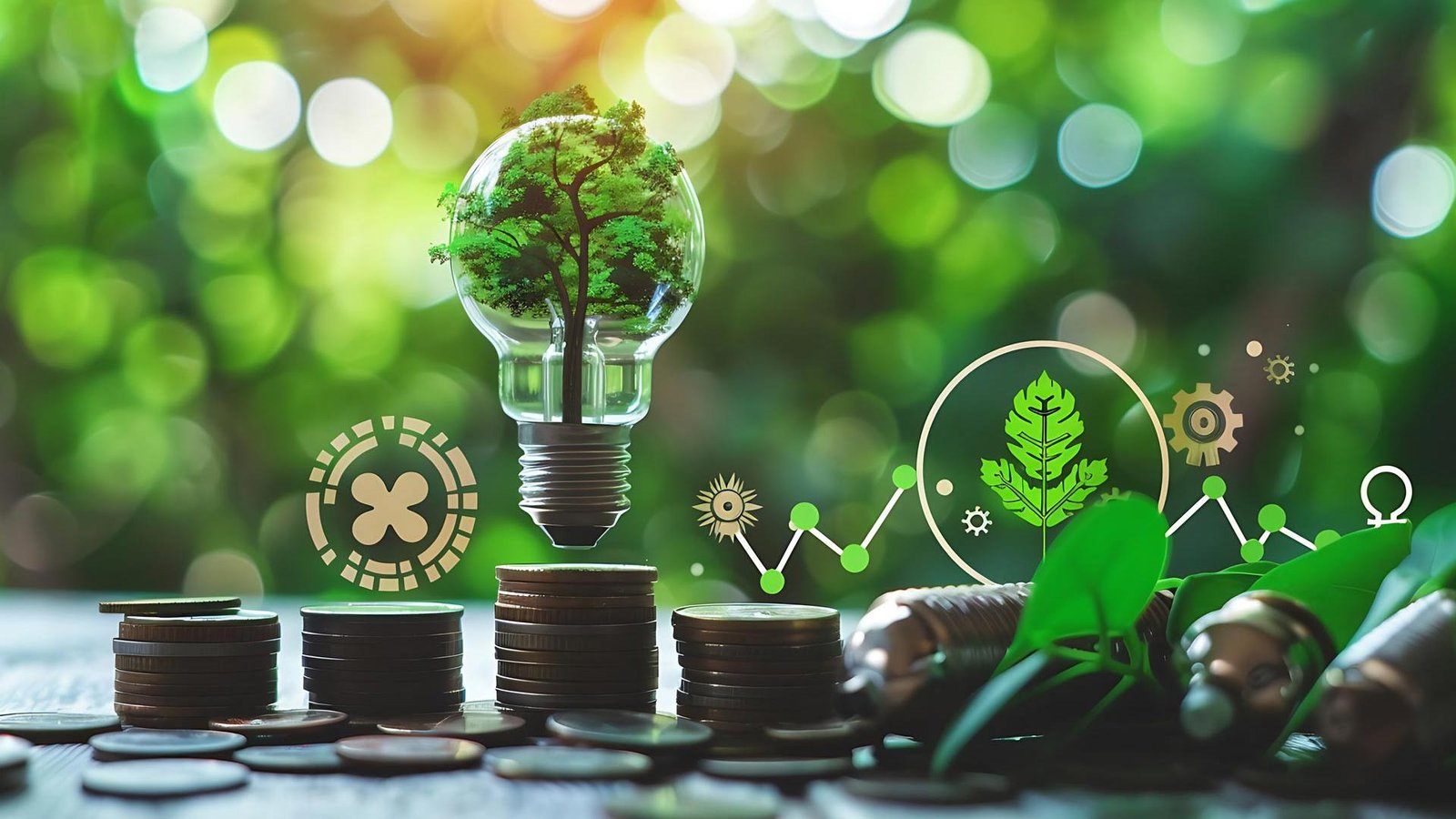
The transition to quality through high-tech, certified, and worldwide-accepted credits is bringing about a new way of interaction between the capital market, industry, and government for sharing their efforts to act against climate change.
Table of Contents
1. The Growth and Maturation of Carbon Markets
2. Shifting Corporate Strategies and Mainstreamification
3. Integration with Green Finance Instruments
4. Technology and Transparency: Blockchain, AI, and MRV
5. Carbon Credit Supply: Removal vs. Avoidance
6. Impact in Emerging Economies
7. Policy, Compliance, and the Paris Agreement
8. Challenges to Overcome
9. The Road Ahead: Carbon Credits as a Cornerstone of Green Finance
Conclusion
1. The Growth and Maturation of Carbon Markets
The carbon market is witnessing a dramatic increase in the number of permitted countries using compliance methods like emissions trading systems and carbon taxes. The new rules of the year are already having an impact; the markets are largely influenced by the emissions caps and the national carbon pricing systems, which together create the demand for high-quality credits.
The global value of the carbon trading market might reach $16.4 trillion by 2034, according to a report by Precedence Research. Through the incorporation of carbon credits into green bonds, exchange-traded funds, and other financial products, banks and asset managers are actively enabling investments in climate-positive projects.
2. Shifting Corporate Strategies and Mainstreamification
Carbon credits have transitioned from being merely a philanthropic or compliance gesture to an essential part of the business ecosystem. CFOs and other stakeholders will regard them as critical to the company’s valuation, risk, and planning. The leaders in this area, such as Google, Microsoft, and Amazon, are very much involved in the offsets through nature-based and tech methods as part of their net-zero promises.
On the other hand, small and medium-sized enterprises (SMEs) are also taking steps and benefiting from the digital platforms and verification processes that are efficient while monetizing their emission reductions or gaining compliance, thus reducing risk and enhancing their ESG ratings.
3. Integration with Green Finance Instruments
Every year, more and more banks rely on carbon credits in their green bond issuance, making carbon ETFs and giving the trade of derivatives based on carbon price. These trends promote the idea of carbon credits being the performance indicators in sustainability-linked finance, therefore raising the bar of trust and attracting more to the market.
4. Technology and Transparency: Blockchain, AI, and MRV
The credibility and traceability of credits in carbon markets have become a major concern, plus the issues of “greenwashing” and double counting make the situation worse. New solutions are going to come from the areas of blockchain that will register the credits to secure ownership, AI and advanced sensors for monitoring and verification in real time, and digital marketplaces for small and medium enterprises (SMEs) that will greatly lower the entry barriers, making it possible for wider participation. These new technologies will raise the level of integrity, be a deterrent to fraud, and increase the trust of investors, thus creating new capital opportunities for green investments.
5. Carbon Credit Supply: Removal vs. Avoidance
Credits for the “removal” of carbon dioxide (like direct air capture, biochar, and afforestation) are very much in demand, as they have the ability to permanently change the composition of the atmosphere, and their usage is highly supported by the Science Based Targets initiative and, not to forget, also by the corporate net-zero frameworks. Renewable energy projects that result in lower emissions are still considered to be an important source of “avoidance” credits, which not only provide immediate scaling but also have the biggest positive effect on the climate—particularly in developing regions that are looking for sustainable growth. A balanced portfolio, integrating these two methods, will be constitutive for the green finance strategies of the future in the upcoming decade.
6. Impact in Emerging Economies
Carbon markets bring a lot of economic benefits along with the environmental ones to developing countries. Programs like India’s Carbon Credit Trading Scheme facilitate the flow of money for climate projects to the most polluting sectors—cement, aluminum, and manufacturing—and transform the cuts in emissions into direct profit for the company.
Local investment in sustainable agriculture, forestry, and nature-based solutions is the result of carbon projects. It brings new job openings and revenue possibilities. While the market rules become similar, developing countries can make their own trading schemes bigger and attract global capital without the need for international frameworks to be settled down first.
7. Policy, Compliance, and the Paris Agreement
Policies have been the driving force behind the quick growth of the carbon market. On the other hand, compliance markets with stricter regulations (like India) are imposing more rigorous requirements for verification, setting up specific targets for each sector, and making the process of price determination more transparent. The national and regional systems that used to be isolated are now slowly coming closer to integration, which ultimately promotes international collaboration and consistency in carbon pricing.
8. Challenges to Overcome
The need for genuine emissions reduction from carbon credit projects calls for the addressing of additionality and the prevention of double counting. The trust between countries can be boosted by uniform verification procedures, but it will require changes in the regulations. In addition, making access easier for the participants who have limited resources will be good for the market liquidity, which will require the implementation of good digital solutions and training of the users. The resolving of these problems is the key to the credibility of carbon credits that are effective in real decarbonization and against the doubts.
9. The Road Ahead: Carbon Credits as a Cornerstone of Green Finance
This year has been a turning point for carbon credits as they become a part of the mainstream financial asset classes under the green investment category. The best-quality carbon credits backed by stringent monitoring, reporting, and verification (MRV), along with good governance and open trading, will not only be able to command higher prices but will also contribute to greater trust in the market. Financial players will gradually get more involved in carbon credits besides their current activities, thus creating a number of new products as well as risk management methods.
New developments in AI, blockchain, and digital verification technologies will cut down the cost and make it possible for people all over the world to access the market. The agreement among the regulators to harmonize the compliance and voluntary systems will greatly ease the transfer of green capital across borders. What is more, the carbon credits can serve as a financial conduit to the fields of global projects that are capable of making a difference, thus providing financial support for the innovators with a climate focus and also making it easier for the companies that want to engage in the decarbonization process for a long time to come.
Conclusion
Carbon credits were the main climate finance player in 2025. The transition to quality through high-tech, certified, and worldwide-accepted credits is bringing about a new way of interaction between the capital market, industry, and government for sharing their efforts to act against climate change.
If there will be consistent innovation, strong policy support, and complete participation of the finance sector, carbon credits will be the ones determining the direction of green finance, speeding up the worldwide shift to a green, net-zero economy.
Discover the latest trends and insights—explore the Business Insight Journal for up-to-date strategies and industry breakthroughs!
