
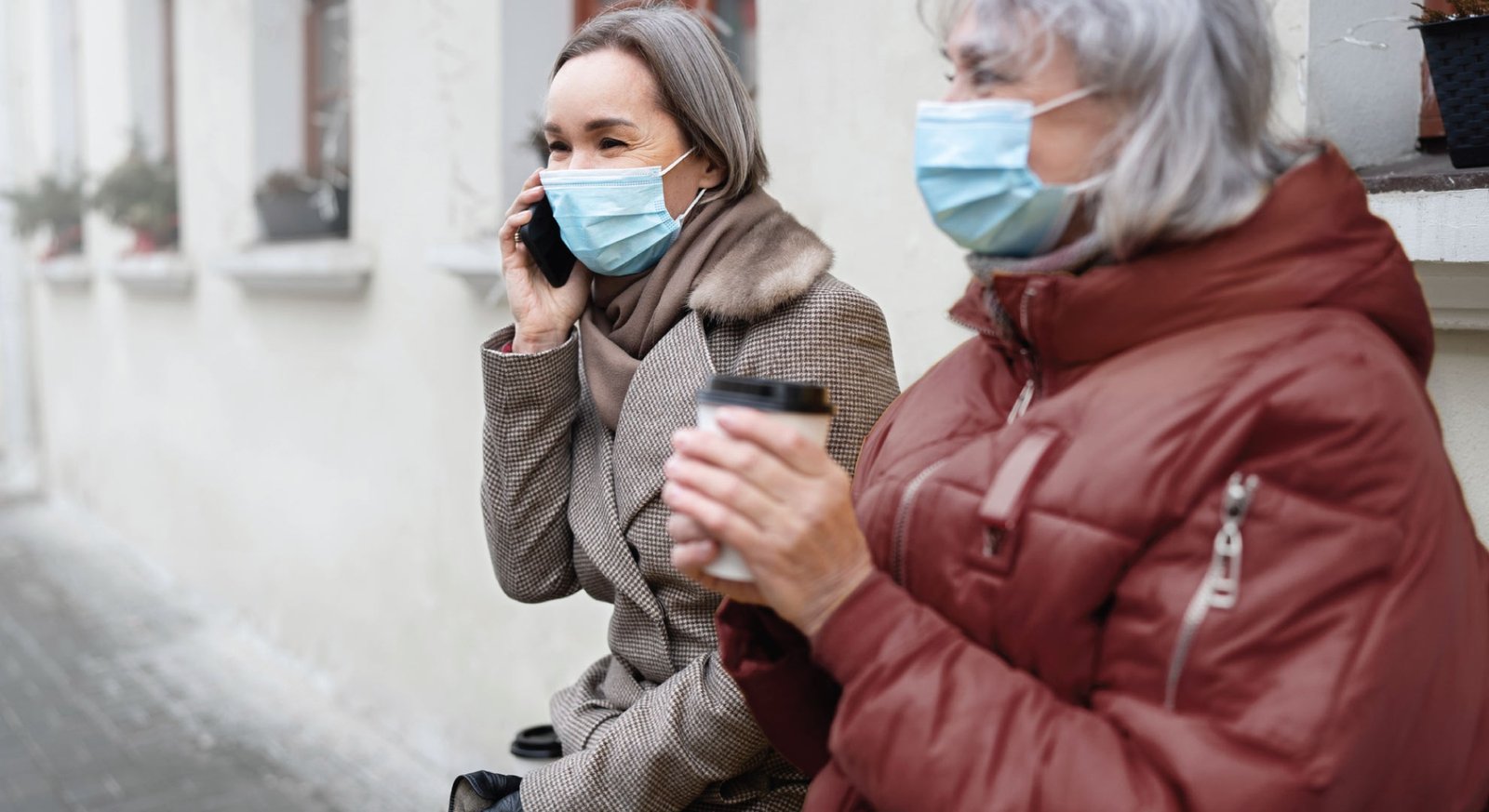
Explore how heatwaves affect aging populations and the importance of proactive measures to protect seniors’ health and well-being.
Heatwaves are becoming one of the most urgent climatic hazards, and extreme temperature events are on the increase and intensifying globally. The elderly are more susceptible because the physiological conditions that come with age make them less adaptive to an increase in temperature. The effects of heatwaves on the elderly population are important to understand since global warming and rising life expectancy conditions compound each other.
Research indicates that the number of individuals above the age of 65 and 65 years is increasing at an alarming rate, and this indicates a population that is more vulnerable to heat-related diseases.
It is important to protect this population by using both individual and policy-based interventions and awareness.
Table of Contents:
1. Understanding Heatwaves and Their Escalating Risks
2. Vulnerability of Aging Populations
2.1. Physiological Susceptibility to Heat
2.2. Isolation and Environmental Challenges
2.3. Chronic Conditions and Heat Stress
3. Health Risks of Extreme Heat Among Older Adults
3.1. Heat Illnesses and Cardiovascular Strain
3.2. Hospitalizations and Mortality Patterns
3.3. Cognitive and Mental Health Impacts
3.4. Historical Case Studies
4. Socioeconomic Factors Influencing Heatwave Outcomes
4.1. Income and Housing Quality
4.2. Healthcare Access and Community Support
4.3. Urban-Rural Disparities
5. Preventive Measures and Adaptation Strategies
5.1. Early Warning Systems and Alerts
5.2. Cooling Centers and Home Adaptations
5.3. Caregivers and Community Roles
5.4. Targeted Public Health Initiatives
Conclusion
1. Understanding Heatwaves and Their Escalating Risks
Heatwaves are extended spells of very high temperatures, which are usually coupled with very high humidity levels. They may consist of brief periods of high-intensity bursts or prolonged weeks of high heat.
The definition of heatwaves is relative because it is defined by meteorologists depending on the differences between normal temperatures in a particular area. Heatwaves are not only unpleasant, but they also put a strain on the public health systems and ecosystem, resulting in morbidity and mortality.
Recent statistics suggest that the number of heatwaves is increasing, becoming longer and more intense. Areas that were not affected before are recording high temperatures that are disrupting preparedness mechanisms.
It affects urban locations, which have heat-trapping infrastructure, forming the so-called urban heat islands, which increase the risk factors of inhabited locations (particularly to the elderly).
The issue of climate change contributes significantly to the rise in the frequency and severity of heat waves. An increase in the level of greenhouse gases disrupts the weather pattern, resulting in extreme, unparalleled levels of warmth. In the absence of mitigation, there is a projection that heatwaves will further emerge as a more challenging health risk to vulnerable populations globally.
2. Vulnerability of Aging Populations
2.1. Physiological Susceptibility to Heat
Elderly people have low thermoregulation, a slow sweat reaction, and dehydration risk, which makes them incredibly vulnerable to heat. Heat cerebral issues may occur because the cardiovascular and renal systems cannot adapt adequately to the heat. The body loses its ability to maintain a safe core temperature due to extreme heat, and further because of age-related alterations of the skin and circulatory efficiency.
2.2. Isolation and Environmental Challenges
Vulnerability is increased through social factors. Most elderly people live alone or in poorly ventilated homes with low air conditioning provision. Housing areas that are devoid of green areas or cooling facilities increase risks. Isolation also decreases prompt care in cases of an emergency and community support plays a very important role in aiding in avoiding heat-related stresses.
2.3. Chronic Conditions and Heat Stress
Existing diseases such as diabetes, hypertension, and respiratory diseases increase the effects of heatwaves. Drugs that influence hydration or blood pressure do not help in improving reactions to excessive heat. Such comorbidities place older adults at a higher risk, which is why preventive measures and health education should be tailored.
3. Health Risks of Extreme Heat Among Older Adults
3.1. Heat Illnesses and Cardiovascular Strain
The heatwaves pose a significant threat to heat exhaustion, heatstroke, dehydration, cardiovascular stress, etc. The lack of control in the regulation of temperature in elderly people contributes to the increased risk, resulting in hospitalization and even death. Quick medical care is frequently needed to avoid life-threatening consequences.
3.2. Hospitalizations and Mortality Patterns
Statistics always indicate that emergency room visits and deaths are rife during heatwaves. Deaths in the 65 and above age group are found to increase drastically, especially in the cases of patients with underlying conditions. It is important to monitor these patterns to effect successful emergency planning.
3.3. Cognitive and Mental Health Impacts
High temperatures may make older adults more cognitively impaired, confused, and stressed. Physical health risks are usually accompanied by mental health issues such as anxiety and irritability. Cognitive vulnerability, coupled with heat exposure, would decrease the capability of an individual to seek help or make safe judgments.
3.4. Historical Case Studies
Such disasters as the European heatwave in 2003 show how fatal extreme temperatures can be to older generations. The number of thousands of deaths was reported, which is why proactive heat management practices and community education to safeguard the elderly in case of such crisis events are necessary.
4. Socioeconomic Factors Influencing Heatwave Outcomes
4.1. Income and Housing Quality
Heatwave resilience highly depends on economic status. Elderly people who are of poor economic status might be without air conditioning, appropriate insulation, and cooling facilities. The low quality of housing enhances heat exposure, making the low-income populations vulnerable.
4.2. Healthcare Access and Community Support
Healthcare, access to cooling centers, and emergency services are very important in surviving extreme temperatures. Health hazards and heat-related deaths can be avoided through neighborhood networks and social programs that visit older individuals.
4.3. Urban-Rural Disparities
In cities, the threat is increased by urban heat islands caused by high density of construction and lack of green spaces, and in rural communities, emergency services might have a slow response. The two situations pose different challenges and will have to be approached region-specifically to protect the elderly against the effects of heatwaves.
5. Preventive Measures and Adaptation Strategies
5.1. Early Warning Systems and Alerts
Earlier warnings and heatwave alerts can enable the elderly and elderly care guardians to take proactive actions. Risks can be minimized by notifications through media, mobile phones, or local community outreach programs.
5.2. Cooling Centers and Home Adaptations
Practical protection is offered by means of public cooling centers, access to fans, hydration programs and home improvements like ventilation upgrades. Such basic solutions as shaded spaces and adequate hydration will save lives.
5.3. Caregivers and Community Roles
The family members, caregivers, and the local authorities are very instrumental in keeping an eye on the vulnerable adults. Regular visits and preventive actions will help in intervening in time during extreme heat incidents.
5.4. Targeted Public Health Initiatives
Education and activities that target the needs of older adults, e.g., providing free cooling devices and heat awareness, are important. The incorporation of heat risk management in community health plans increases the resilience of the community and minimizes human death.
Conclusion
Heatwaves are a real menace to the elderly population, and physiological, social, and economic conditions increase the vulnerability. Heatwaves result in more cases of hospitalization, mental stress, and death among the elderly.
There is a need to have immediate interventions that include community support, cooling programs, and specific policies aimed at addressing the community through public health. Including the needs of the aging population in the strategies of climate adaptation as well as the global mitigation, would make sure that older adults are not harmed in the era of rising temperatures.
It is a social responsibility and a healthcare obligation to ensure the safety of the elderly against heat waves.
Discover the latest trends and insights—explore the Business Insight Journal for up-to-date strategies and industry breakthroughs!
