
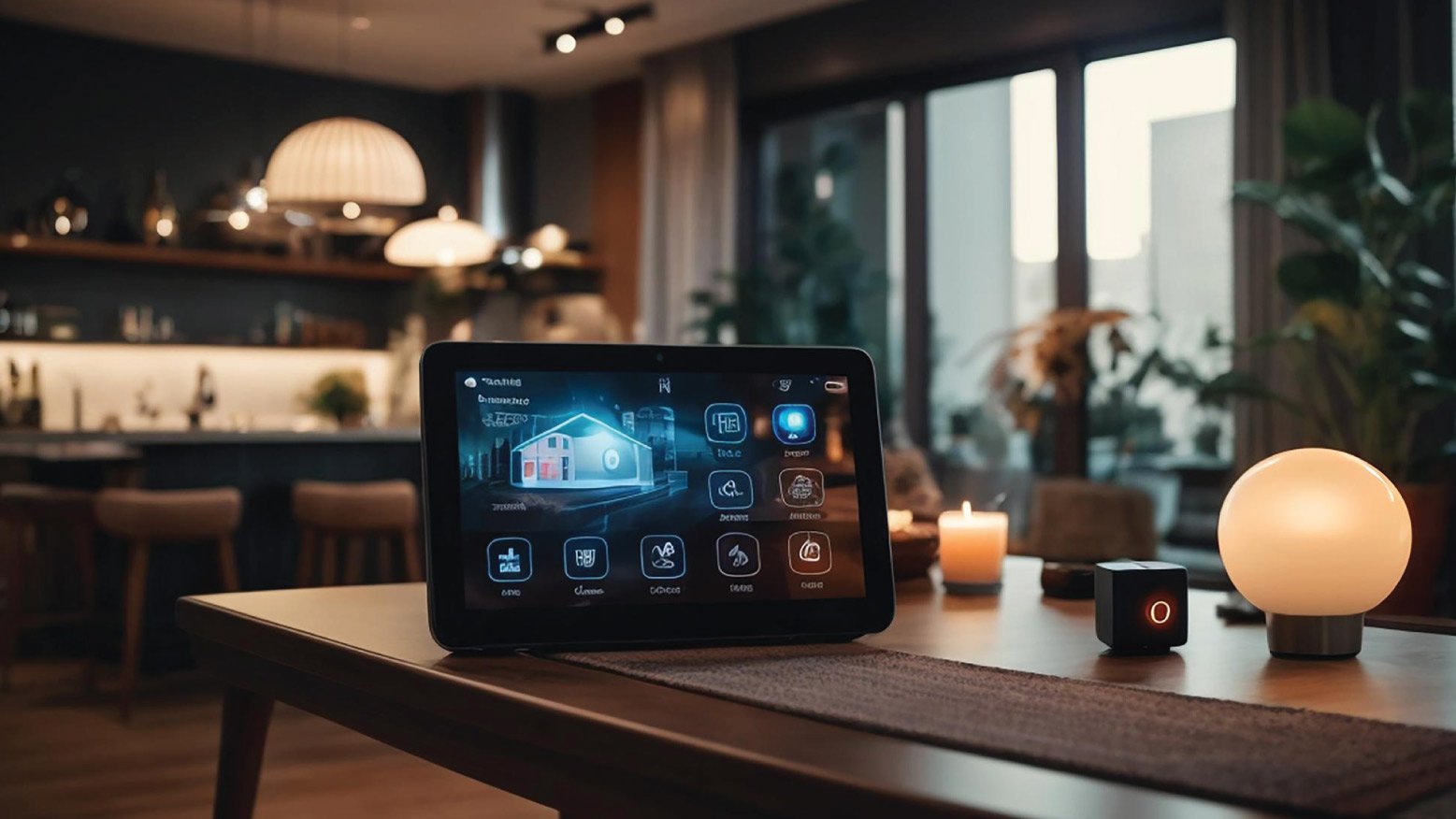
Grid connected devices are turning homes into active energy hubs optimizing power use, cutting costs, and strengthening the grid through real-time intelligence.
Gone are the days when smart just meant dimming lights with a voice command. The real IQ of a home is measured by its integration with the grid. Transforming the family residence from a passive power consumer into a proactive energy producer. Grid-connected devices mark a fundamental advancement for industry professionals who work as developers and tech providers. Because these devices function as the essential link between residential areas and national energy networks.
This movement represents a fundamental shift that will define market dynamics. According to the Modern Intelligence report, the home energy management market will reach a value of $4.43 billion by 2026. As active households will drive market growth at an extraordinary pace, as they shift from their previous role as energy consumers. The smart home automation system with the electrical grid creates more than just houses; it establishes a responsive network that operates as a distributed system.
Table of Content:
1. The ROI of Intelligence
2. The Digital Nervous System
3. The Power of the Fleet
4. The Rise of V2H
5. Building for the Future
Conclusion
1. The ROI of Intelligence
Saving energy used to be about keeping the cold out. Now, it’s about letting the data in. A truly efficient home doesn’t just use less power; it uses power smarter by hitting start only when the grid is ready. This is where grid-connected devices are changing the game for smart homes.
New data from industry leaders shows that by using smart, grid-aware gear, you can cut your home’s energy bills by 10% to 30% without changing a single thing about your daily routine. It works through a clever trick called load shifting. Instead of your dishwasher or water heater running the second you hit start, your home waits for a digital signal from the power grid. It looks for moments when electricity is at its cheapest and cleanest, like a sunny afternoon when solar power is overflowing and kicks into gear then.
For people looking to buy or rent, these grid-ready features are a massive selling point. They offer a home that basically does the bargain hunting for you, saving money and protecting the planet while you’re busy doing other things.
2. The Digital Nervous System
To understand the impact, we must look at the role of smart grid technologies in home automation. The smart grid is the internet of energy. It provides a two-way communication layer that allows a home to negotiate with the utility company.
According to Fortune Business Insights, over 60% of the energy management market share will be held by hardware like smart meters and connected load centers. These devices act as the home’s brain, receiving real-time pricing and demand data from the utility. This connection allows the home to respond to Time-of-Use (TOU) tariffs. When the grid is oversupplied with wind or solar power, it sends a signal to your home to soak up that excess energy, charging batteries or pre-cooling the house at a fraction of the standard cost.
3. The Power of the Fleet
The most significant financial opportunity for stakeholders is the deployment of grid-connected devices for demand response in smart homes. Historically, demand response was a clunky, manual process. Today, it is a seamless, automated service that turns a neighborhood into a Virtual Power Plant (VPP).
Recent collaborations, such as the merger of Google’s Nest Renew and OhmConnect, have proven that millions of connected homes can act as a single, massive battery. When the grid hits a peak, say, a 6:00 PM heatwave spike, the utility can send an automated request to thousands of homes to shed a tiny amount of load.
For a utility, this avoids the need to fire up expensive, high-emission peaker plants. For the homeowner, it results in direct financial incentives or bill credits. It is a triple win for the consumer, the provider, and the planet.
4. The Rise of V2H
Electric vehicles are not just a way to get around but rather a giant power bank for your home. With the advent of this new technology called Vehicle to Home, or V2H, your electric vehicle can actually power your home for up to three days in the event of a power outage or heatwave. Not only is this technology good for the environment, but it also allows your electric vehicle to be used to lower your electric bill instead of simply collecting dust in your driveway. This technology also allows you to sell the extra power back to the city in the event of a power outage, effectively making your electric vehicle into a money maker instead of simply a money taker. Because your electric vehicle is able to hold so much power, it becomes a safety net for the neighborhood, preventing power outages without the need to fire up old, dirty power plants. This technology, or the ability to sell power back to the city, is no longer considered a luxury but rather a requirement.
5. Building for the Future
The technological obstacles that prevented smart homes from developing their full potential have been resolved because different home automation systems can now work together. The systems of a Tesla battery, Samsung refrigerator, and Nest thermostat are used to operate separately. The development of Matter technology now enables all these devices to function together as a unified system. The energy management system will control all home resources, which marks the start of smart home technology. The grid now gains more efficiency through homeowner participation because homeowners no longer focus on their personal financial benefits.
Conclusion
As homes evolve into grid-integrated assets, they shift from being endpoints of consumption to strategic participants in energy markets. For utilities, technology providers, real estate developers, and energy innovators, this phenomenon trespasses a trend transgressing towards a structural transformation. The opportunity is clear, homes that optimize load in real time, participate in virtual power plants, and monetize flexibility will redefine value creation across the ecosystem. The question for industry leaders is no longer if this transition will happen, but who will lead it.
Discover the latest trends and insights—explore the Business Insight Journal for up-to-date strategies and industry breakthroughs!
