
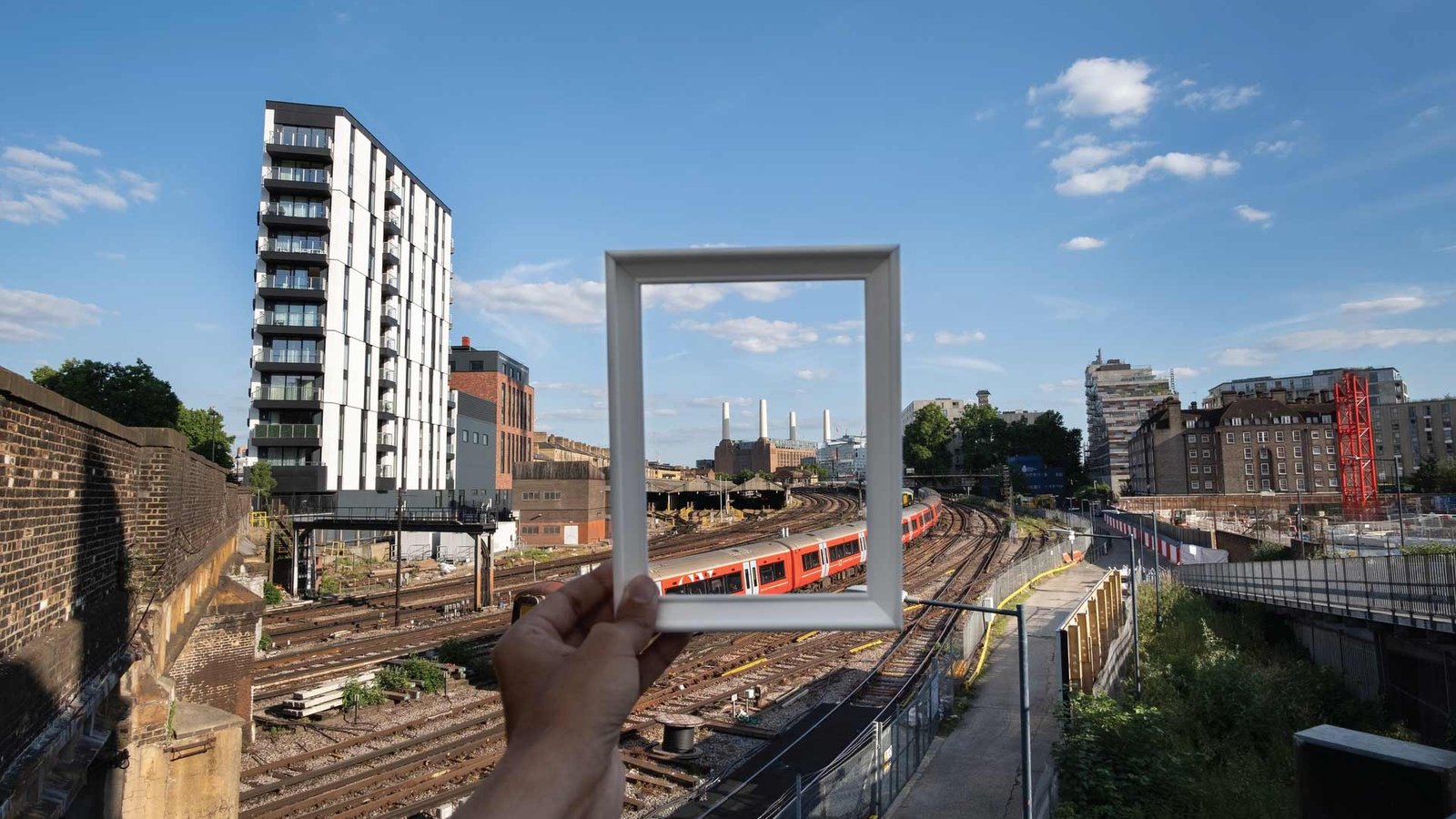
Explore how Gen Z’s preferences are reshaping urban housing trends, from flexible rentals to tech-driven, sustainable living solutions.
The next wave in the rental and housing markets is Gen Z, who is fast becoming the new powerhouse in the real estate sector.
This is unlike millennials, who grew up in a climate change-aware, socially inclusive, and technologically immersed age. They make these decisions not only based on affordability but also based on how much they are in line with their principles and lifestyle aspirations.
Gen Z is redefining the term home in cities, whether it becomes a smart home technology, sustainability, or community-based living. The developers, landlords, and cities are scrambling to redefine the housing experience according to Gen Z expectations as the influence of this generation grows.
Table of Contents:
1. Balancing Ideals and Income Inside Gen Z’s Housing Mindset
2. Redefining the Urban Housing Market
2.1. Affordability Shapes Innovation
2.2. The Rise of Co-Living Concepts
2.3. Designing for Density
3. Technology as the Core of Modern Living
4. Prioritizing Sustainability and Green Architecture
4.1. Eco-Conscious Design Takes Center Stage
4.2. Green Infrastructure in Action
4.3. Sustainability as a Selling Point
5. The Social Side of Housing with Community and Connection
5.1. Co-Living and Shared Experiences
5.2. Belonging Through Amenities
5.3. Designing for Inclusivity
Conclusion
1. Balancing Ideals and Income Inside Gen Z’s Housing Mindset
The renters of Gen Z do not perceive housing as a financial goal, but it is a continuation of their ideals. They value both the sustainability, inclusivity and meaningful experiences over traditional ownership and spaces that are relevant to the personal purpose as opposed to status and asset accrual over the long term.
Financial constraints are heavy even though the ideals are strong. Most of them have stagnated wages, high rents and piling student loans. The result? A flexible generation rather than a mortgage-driven generation, preferring short-term leasing, co-living, and the sharing of financial responsibilities instead of long-term housing commitments.
Gen Z has changed its perspective on housing due to the emergence of the gig economy and hybrid work. As monthly earnings fluctuate, they desire versatile spaces, houses that can be used as work stations and leisure venues, mobility and affordability, and their dynamic careers.
2. Redefining the Urban Housing Market
2.1. Affordability Shapes Innovation
Housing economics are being reconsidered by developers in order to attract Gen Z. Affordability is now the driving force behind architectural and business decision-making in the form of modular apartments and flexible leasing. Small, high-density designs accommodate the need to have efficient and practical urban environments without losing comfort and style.
2.2. The Rise of Co-Living Concepts
Co-living is becoming the new form of modern housing, which combines affordability and community. The same kitchen, lounges, and facilities will aid in keeping the cost of each individual down and also promote teamwork. This transition is indicative of the desire to be connected and their financial self-sustenance in high-cost cities in Gen Z.
2.3. Designing for Density
City centers have little space and developers are making the most of every square foot. Shared facilities, flexible pieces of furniture, and multi-use layouts are becoming necessities. Small does not equate to sacrifices, but it is a novel design philosophy that portrays Gen Z’s preference for efficiency and purposeful simplicity.
3. Technology as the Core of Modern Living
Technology is not a luxury but a necessity of Gen Z. Digital locks, voice-controlled systems, and smart thermostats are more secure and convenient. Technological blending determines the attractiveness of a home, which is energy-efficient as well as would allow easy control in integrated mobile ecosystems.
The leasing process is going digital first. Virtual tours, chat assistants based on AI or e-signatures are already the minimum standards. Convenience is paramount to this generation of mobile native users, and homes and landlords need to be able to provide real-time, easy-to-use digital interfaces at all levels of the rental process.
Fast and reliable Wi-Fi is not a luxury anymore; it is the framework of the way of life of Gen Z. Since remote working and streaming and gaming all require connectivity, livability is defined by connectivity. Those who lack robust digital infrastructure may find it difficult to keep up with the younger generation in urban areas who lead hybrid lifestyles and are more enticed by properties that accommodate their preferred lifestyle.
4. Prioritizing Sustainability and Green Architecture
4.1. Eco-Conscious Design Takes Center Stage
Gen Z renters do not compromise on sustainability. They are also keen on buildings that have eco-certifications, power-saving systems, and ethical sourcing. The developers who apply the concept of environmental responsibility in the design are paid in the long-term loyalty and the part of the positive brand image among the eco-conscious tenants.
4.2. Green Infrastructure in Action
Green roofs, solar panels and efficient waste systems are not a luxury in architecture anymore; it is a promise. Urban developments that combine vertical gardens or renewable energy appeal to the younger generations of renters who desire to experience urban life without feeling disconnected from sustainability and style.
4.3. Sustainability as a Selling Point
The green design is not only about saving the planet, but it is also a competitive advantage. Those developers who embrace the concept of sustainability enjoy reputational and financial benefits. The green color is not a buzzword; it is the determinant of the housing decisions and the loyalty to the city and its brand in Gen Z.
5. The Social Side of Housing with Community and Connection
5.1. Co-Living and Shared Experiences
Gen Z is a generation that lives in groups. Co-living spaces combine intimacy and social mix – imagine communal cooking areas, living rooms and arts and crafts. These arrangements promote both social and financial affordability and belonging in an increasingly secluded urban setting.
5.2. Belonging Through Amenities
Modern housing developments now feature event spaces, rooftop lounges, and coworking areas. These social hubs cater to Gen Z’s need for connection, providing built-in communities that counteract loneliness and promote collaboration within bustling metropolitan landscapes.
5.3. Designing for Inclusivity
The developers are putting great emphasis on inclusion, access to the market and common spaces of different lifestyles. Housing is now gender-neutral, has community involvement initiatives, and art-centered main rooms- creating a sense of belonging and cultural diversity that Gen Z calls home.
Conclusion
The emergence of Gen Z is changing the nature of urban housing across all levels, such as design and sustainability, technology, and community. Their values require more intelligent, environmentally conscious and connected spaces.
To the developers and city planners, it is not optional to know such expectations, but rather, it is a necessity to stay relevant and long-lasting.
With Gen Z still influencing the metropolises, their taste will determine the design of inclusive, resilient, and technologically-oriented urban life that dictates the next generation of housing innovation around the globe.
Discover the latest trends and insights—explore the Business Insight Journal for up-to-date strategies and industry breakthroughs!
