
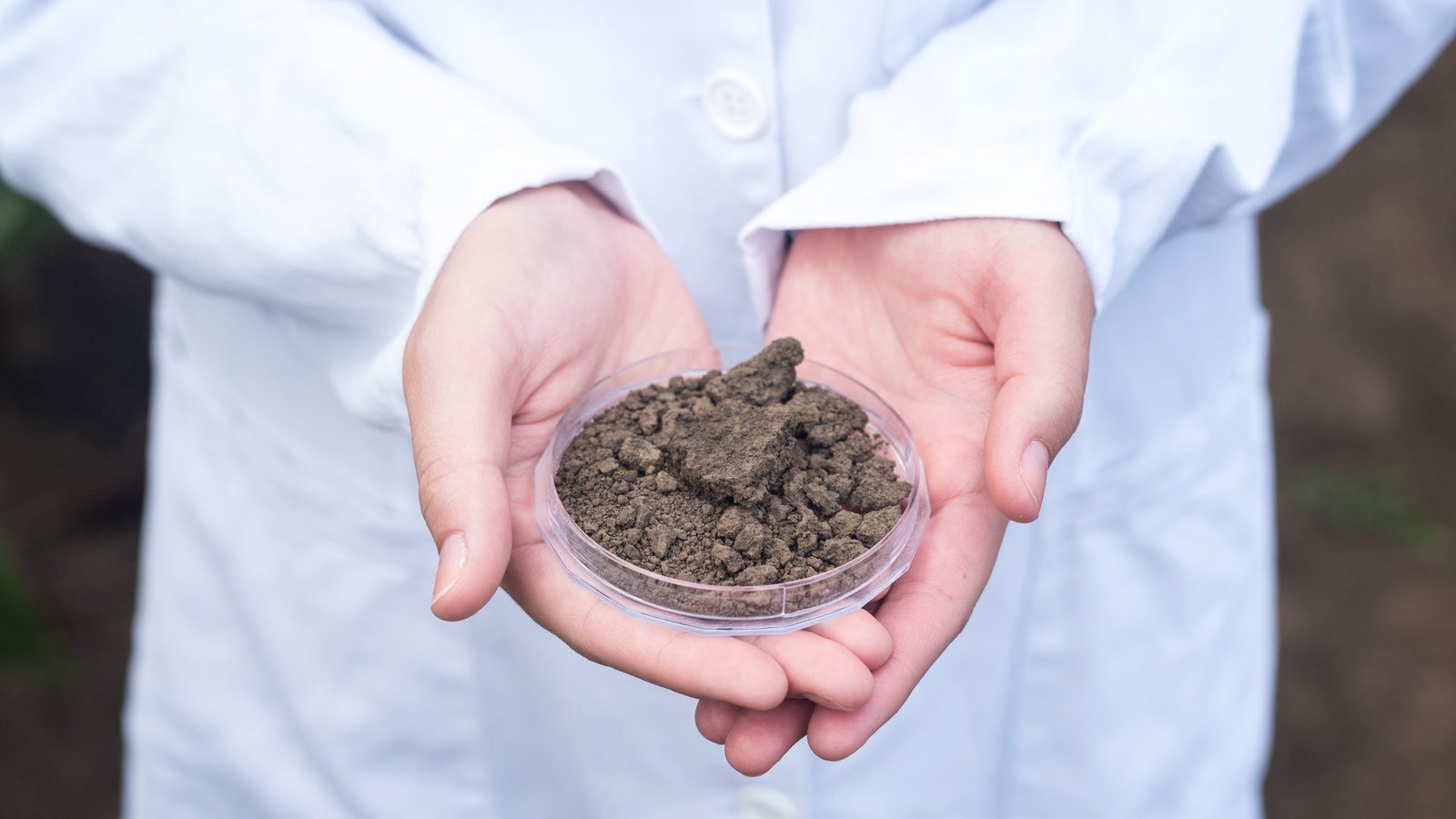
Restore soil health through natural carbon removal techniques. Transform farmland into a biological sponge for a fertile, sustainable future.
Forget the sci-fi movies where giant vacuum cleaners suck CO₂ out of the sky. If you want to see the most sophisticated climate technology on the planet, look down at the mud on your boots. For the last century, we’ve treated our farmland like a spent battery, draining its energy, stripping its minerals, and leaving it breathless. But a quiet revolution is bubbling beneath the surface. We are moving past the era of depletion and into an era of biological deposits. At the heart of this shift are carbon removal techniques that don’t rely on expensive silicon or steel but on the ancient, messy, and brilliant logic of photosynthesis and soil biology. By turning our global food system into a giant carbon sponge, we’re performing a much-needed hardware upgrade on the very foundation of human civilization, the soil.
Table of content:1. The Great Carbon Heist
2. Regenerative Farming
2.1 The No-Till Revolution
2.2 Cover Cropping as a Solar Panel
2.3 Adaptive Multi-Paddock (AMP) Grazing
3. A Booster Shot for Biology
3.1 The 2,000-Year-Old Modern Tech
3.2 Enhanced Rock Weathering (ERW)
4. Why This Isn’t Just Hippie Science?
5. Soil as a Savings Account
The Future is Brown
1. The Great Carbon Heist
The atmosphere is saturated with it (carbon), and the soil is starving for it. It is a simple matter of supply and demand, and the solution is biological. When we discuss the removal of carbon to improve the health of the soil, what we’re really discussing is atmospheric mining. Most people think of trees when the word carbon is mentioned. However, the soil actually has three times more carbon than the atmosphere. The mechanism by which we will accomplish this is the liquid carbon mechanism. No other organism is better at capturing carbon than plants. They take in CO2 through the process of photosynthesis and convert it into a liquid carbohydrate.
In a normal system, the plant will not retain all of this carbohydrate. It will send as much as 40% of it out through the roots to feed a network of microbes and fungi in the soil. In return, the microbes will bring minerals from the rocks and return them to the plant. This is the natural mechanism by which the soil will build up carbon. When we till the soil heavily, it breaks the handshake between the plant and the microbes. The carbon is then exposed to oxygen and turns into CO2, escaping into the air. The protection of this process is the first step in turning a farm into a carbon sink.
2. Regenerative Farming
The irony of sustainable farming methods for healthy and fertile soils is that they often require us to stop over-managing nature. Regenerative farming enhances soil carbon sequestration by fostering biological complexity and diverse ecological interactions.
2.1 The No-Till Revolution
Every time a plow turns the earth, it becomes a catastrophic earthquake for the microbial city. It severs the fine hyphae of the fungal roots that constantly move the earth. Without human disturbance, the fungal networks may continue to grow and develop into glomalin. The glomalin stays around as a biological cement and comprises almost a third of the earth’s carbon. It assists in the development of clumps and aggregates that function as small bunkers, safeguarding the earth’s precious carbon from hungry bacteria that might otherwise consume it and release it into the air as CO₂.. Without tillage, the earth becomes a vault instead of a sieve.
2.2 Cover Cropping as a Solar Panel
Bare soil is a wasted opportunity; it’s like having an empty factory floor with the lights on. If a field is brown, it’s losing money and losing carbon into the atmosphere. Growing cover crops, clover, vetch, radishes, and rye means that the pumps are on 24/7. The diversity of those roots also grows to varying depths. Some go deep to find water, while others remain close to the surface, acting as a multi-level filtering system to clean water and lock in nutrients. This diversity is characteristic of sustainable farming practices to achieve fertile soil.
2.3 Adaptive Multi-Paddock (AMP) Grazing
The story that livestock are purely destructive is being rewritten. In the wild, large herds of bison or wildebeests migrate constantly to avoid predators and will graze heavily and then leave the land to rest for months. AMP grazing mimics this process in that when moved in bunches, the livestock will graze the tops off the grasses, step organic matter such as manure and plant material into the earth, and then move off the land. This stimulates a process in which the grass will shed off its roots, which will then rot in the ground, locking away tremendous amounts of carbon into the deepest levels of the soil profile.
3. A Booster Shot for Biology
While biology does the heavy lifting, we can give it a booster shot with modern carbon removal techniques that bridge the gap between tradition and technology.
3.1 The 2,000-Year-Old Modern Tech
Biochar is basically charcoal with a goal in mind, based on a type of soil that’s prevalent in the Amazon rainforest called Terra Preta. We take our agricultural waste products, such as corn stalks and nut shells, and heat them in a low-oxygen environment, which is called pyrolysis, and essentially cook away the volatile gases and leave us a pure form of carbon.
Unlike compost, which will rot and release CO₂ into the atmosphere after a period of time, biochar is chemically stable for up to 1,000 years. It’s like providing a hotel for microbes. The structure of biochar acts as a sponge and retains water and nutrients in the root zone, keeping them from being leached away by rainwater.
3.2 Enhanced Rock Weathering (ERW)
Nature sequesters carbon by slowly breaking down rocks. What we are doing is simply speeding up the process by putting fine powderized silicate materials, such as basalt, on our farms. This starts a chemical reaction. The water that falls on the powdered basalt is slightly acidic and therefore reacts with the minerals. creating a form of bicarbonate that eventually seeps into the ground and flows into the ocean. It’s a double whammy, removing carbon from the atmosphere and at the same time adding essential minerals such as magnesium and calcium that are lacking in our soils.
4. Why This Isn’t Just Hippie Science?
Let’s be blunt, farmers are business owners. They don’t change their entire operation just to be green. They do it because the chemical-only model is reaching its breaking point. As we lose this organic matter, the land loses its capacity for water retention. A 1% increase in the amount of organic matter in the soil allows an acre of land to retain an additional 20,000 gallons of water. In an age of unpredictable droughts and flash floods, the ultimate form of insurance is the power of the carbon-based soils. Moreover, by using the technique of soil carbon enhancement, farmers are also able to reduce the amount of synthetic fertilizer they use.
5. Soil as a Savings Account
Soil functions like a high-yield savings account where, for the last 70 years, the principal carbon and minerals deposited over millennia have been withdrawn without new deposits. This reliance on the capital of ancestors has left the account nearly empty. Carbon removal techniques serve as the deposits, while sustainable agriculture acts as the management strategy.
Prioritizing these methods moves beyond fulfilling the requirements of a climate treaty. It involves building a system that is,
- Anti-Fragile: It resists extreme weather conditions because of the structure of the soil.
- Nutrient-Dense: Healthy soils result in food as medicine because the nutrients are more concentrated in the food we eat.
- Economically Viable: With the potential for lower input costs and income from selling carbon credits, the people who feed us are more profitable.
The Future is Brown
The last century was spent gazing at the stars in search of the next frontier. However, the discovery remains that the most advanced technology of all is the six inches of living soil covering the Earth. Adopting sustainable farming practices for a healthy and fertile planet represents a giant leap forward into a new and advanced bio-intelligent world. Earth does not need to be healed; it simply requires a cessation of interference to let the land do what it has been doing for the past billion years: bringing life to the world and holding the sky in place.
Discover the latest trends and insights—explore the Business Insight Journal for up-to-date strategies and industry breakthroughs!
