
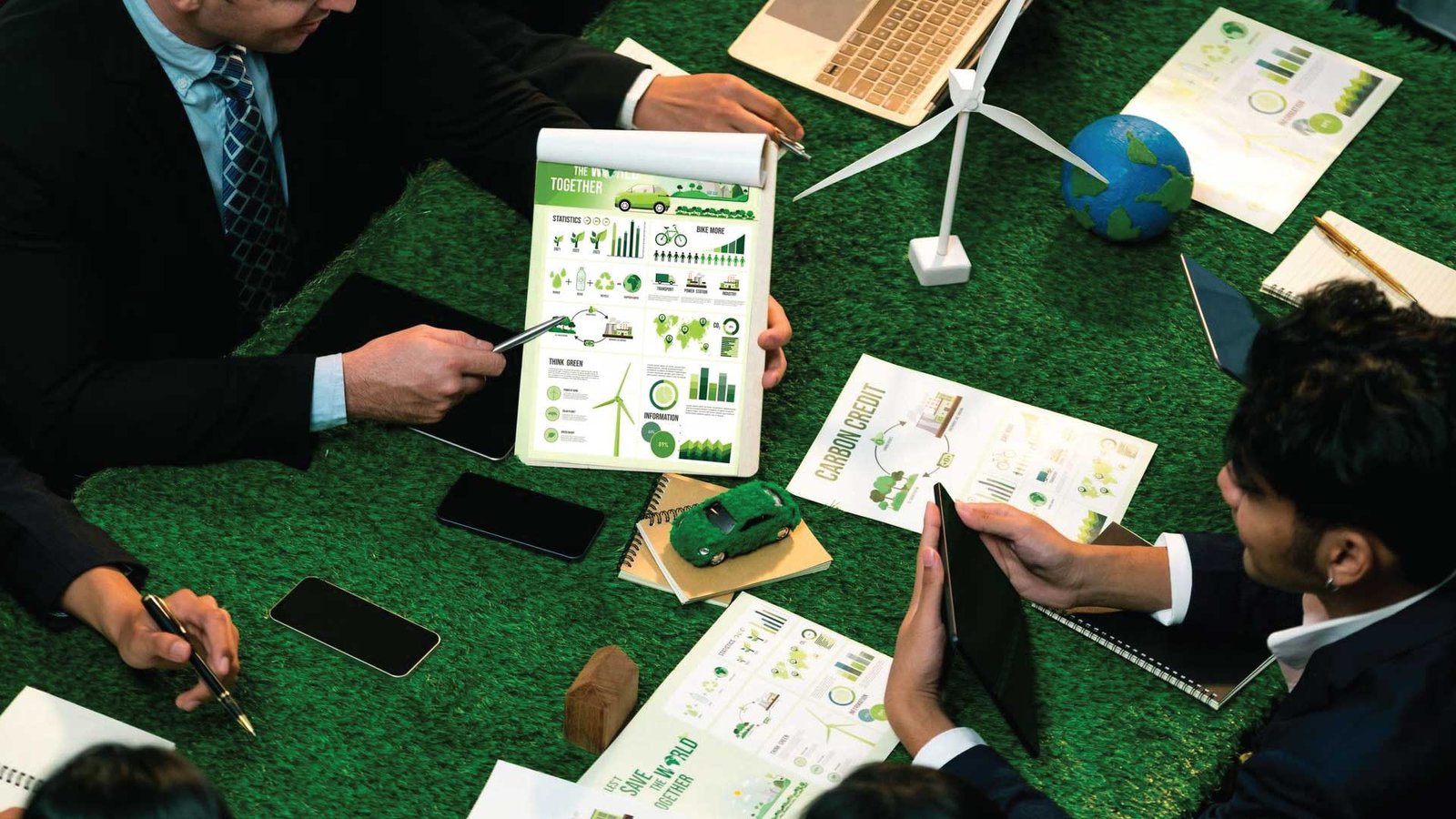
New findings connect rapid AI growth to new business opportunities and global water security
Ecolab, a global sustainability leader offering water solutions and services, today announced findings from its third annual Ecolab Watermark™ Study, which reports on water stewardship around the world. This year’s research highlights water’s connection to timely global trends, including new business opportunities from the rapid growth of artificial intelligence (AI) and consumer concern about its impact on vital natural resources.
According to the Watermark Study, a majority of consumers across fifteen countries understand the power demands of AI, but far fewer recognize the hidden impact of AI – the amount of water required to manufacture AI technology and operate data centers. In the United States (U.S.), just 46% of consumers acknowledge the use of water in AI operations compared to 55% recognizing the use of power. In other regions, including Asia Pacific and Latin America, the gap is even more pronounced.
“By 2050, the world will have nearly 30% more people and require 47% more energy. Water demand will continue to surge—yet by 2030, the world already faces a projected 56% water deficit,” said Christophe Beck, chairman and chief executive officer at Ecolab. “The AI boom is helping to shape this future, unleashing the potential for new business growth and transformative innovation. At the same time, every week a new data center opens, and every month a new fab comes online. While we can create more of the energy these facilities need, we cannot create more of our most vital resource – water.”
“Right now, just 20 percent of industrial wastewater is reused and less than 10 percent in the microelectronics industry. We see wastewater as an engineering flaw and a missed opportunity as a driver for business growth. At Ecolab, we believe the solution to the AI resource challenge lies within itself. By applying AI to data analytics, real-time monitoring, and temperature adjustments, we believe industrial water management systems can deliver data centers that use less water than a car wash.”
The Watermark Study reveals that most consumers agree businesses should invest in the technologies and infrastructure that mitigate the impact of AI on natural resources. It also revealed a hidden trust gap – consumers doubt that businesses will responsibly manage their water use. In fact, a majority believe smart water management, such as reusing or recycling water, should be a top priority for businesses to help address water scarcity. Yet they don’t believe that businesses and governments are using these strategies in their daily operations. Belief is particularly low in the U.S. (43% and 42%), Europe (44% and 41%), Asia Pacific (48% and 48%) and Latin America (48% and 46%).
Discover the latest trends and insights—explore the Business Insights Journal for up-to-date strategies and industry breakthroughs!